Understanding Tinnitus: Causes, Symptoms, and Treatment Options
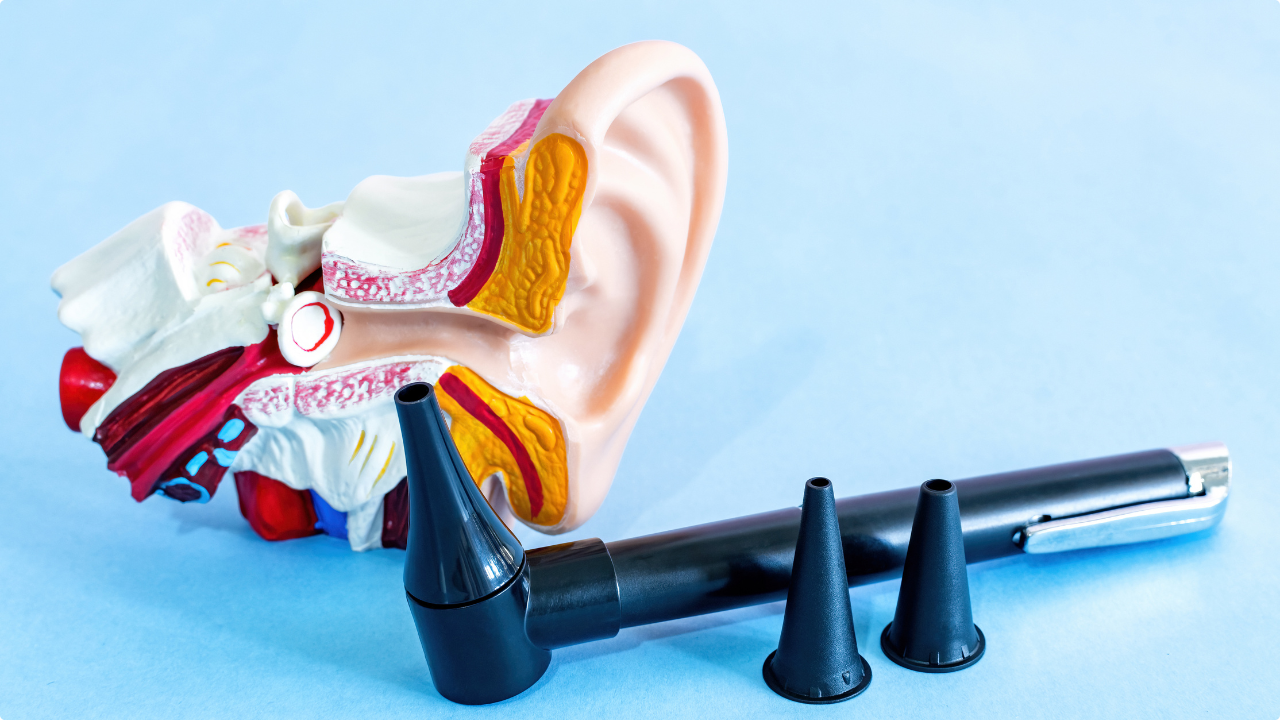
Tinnitus refers to a condition in which the perception of ringing in the ears and sometimes in the head when there is no external sound. A variety of factors can lead to tinnitus, ranging from exposure from loud sounds, hearing damage, certain drugs, head or neck injuries, or underlying health issues.
Click to visit official websiteSymptoms of tinnitus can differ widely from person to person, but common experiences involve a buzzing , sometimes described as roaring, clicking, or whistling, the sound being louder at night or in silent environments, and a sense of pressure in the ears.
Treatment options for tinnitus typically focus on reducing the symptoms and improving the quality of life. This may sound therapy with white noise machines or nature sounds, cognitive-behavioral therapy (CBT) to adapt how you thinks about the tinnitus, hearing aids if there is associated hearing loss, and in some cases, prescription drugs to address underlying medical conditions contributing to the tinnitus.
Living with Tinnitus: Coping Strategies and Support Systems
Tinnitus, the sensation of ringing or other sounds in the ears without an external source, can be a difficult condition to live with. While there is no solution for tinnitus, a variety of techniques can help you cope with its effects. Some effective approaches include sound masking, relaxation techniques such as deep breathing, and daily changes like reducing anxiety.
Joining a community of others with tinnitus can also be incredibly helpful. Sharing your stories with others who relate to you can provide mental support. Additionally, connecting with a doctor specializing in tinnitus can help you explore check here treatment options tailored to your specific needs.
Tinnitus Relief: Exploring Alternative Therapies
Dealing with chronic buzzing in the ears can be incredibly frustrating. While traditional treatments like medication and sound therapy often provide some relief, many individuals seek out alternative approaches to manage their tinnitus. These methods emphasize natural remedies and lifestyle changes to address the underlying causes of tinnitus and promote overall well-being. Acupuncture, for instance, involves fine needles inserted at specific points in the body to stimulate energy flow and reduce inflammation, potentially alleviating tinnitus symptoms. Similarly, meditation practices can help individuals control stress and anxiety, which are often associated to tinnitus severity. By exploring these alternative therapies, individuals can identify personalized strategies to cope with tinnitus and improve their quality of life.
Unveiling Tinnitus: A Look at Current Research and Future Avenues
Tinnitus, a condition characterized by perceived sounds in the absence of an external source, affects millions worldwide. While the precise causes of tinnitus remain elusive, researchers are making strides in understanding its nature.
Current research suggests that tinnitus may arise from dysfunction to the auditory system, such as the inner ear, auditory nerve, and brain. Studies have also pointed to potential links between tinnitus and diseases like hearing loss, head injuries, and certain drugs.
Future research directions aim to clarify the neurological basis of tinnitus, develop personalized therapies, and improve the quality of life of individuals living with this persistent condition. This may involve investigating novel treatment methods, such as sound therapy, and harnessing advancements in fields like genetics and neuroscience.
Tinnitus's Hidden Burden: A Look at its Mental Health Effects
Tinnitus, the perception/experience/feeling of noise in the absence of an external source/stimulus/sound, can have a profound impact/influence/effect on mental health. While often considered/viewed/perceived as a purely physical condition, tinnitus can trigger/cause/lead to feelings of anxiety/frustration/isolation. The constant presence of this copyright noise can disrupt/interfere with/affect sleep, concentration, and overall well-being/quality of life/happiness. Individuals with tinnitus may also experience/feel/suffer from depression/mood swings/low self-esteem, as the condition can make them feel/leave them feeling/result in feelings of helplessness/insecurity/hopelessness.
- Furthermore/Additionally/Moreover, tinnitus can strain/burden/tax relationships, as the constant noise can be difficult/challenging/trying to live with for both the individual and their loved ones.
- As a result/Consequently/Therefore, it is essential to address the mental health implications/consequences/effects of tinnitus alongside its physical symptoms.
When Sound Disappears: Tinnitus and Hearing Loss
Tinnitus, that piercing your ears, can be a perplexing sign of underlying problems. It often appears alongside hearing loss, a gradual decline in sound detection. This duo can significantly impact overall well-being, making it crucial to explore the relationship between them.
- Hearing loss can stem from damage to delicate hair cells in the ear
- Recognizing the symptoms of tinnitus and hearing loss is paramount.
- Potential solutions exist to alleviate these issues.